If you sell in certain product categories on Amazon, there's been a threshold that kept the insurance requirement at bay: once you hit $10,000 in gross sales in any single month, you had 30 days to get a commercial liability policy. If you stayed below that number, you were fine without one.
That threshold is going away for sellers in Amazon's enhanced safety listing categories. Starting November 2, 2026, a $1 million commercial liability policy is required from the first unit you sell, regardless of your monthly volume. Existing listings are included, and so are dormant ones.
Which Categories Are Affected
Amazon calls these its "enhanced safety listing categories," and the current list covers eleven broad areas. If your products fall anywhere in here, November 2 is your deadline.
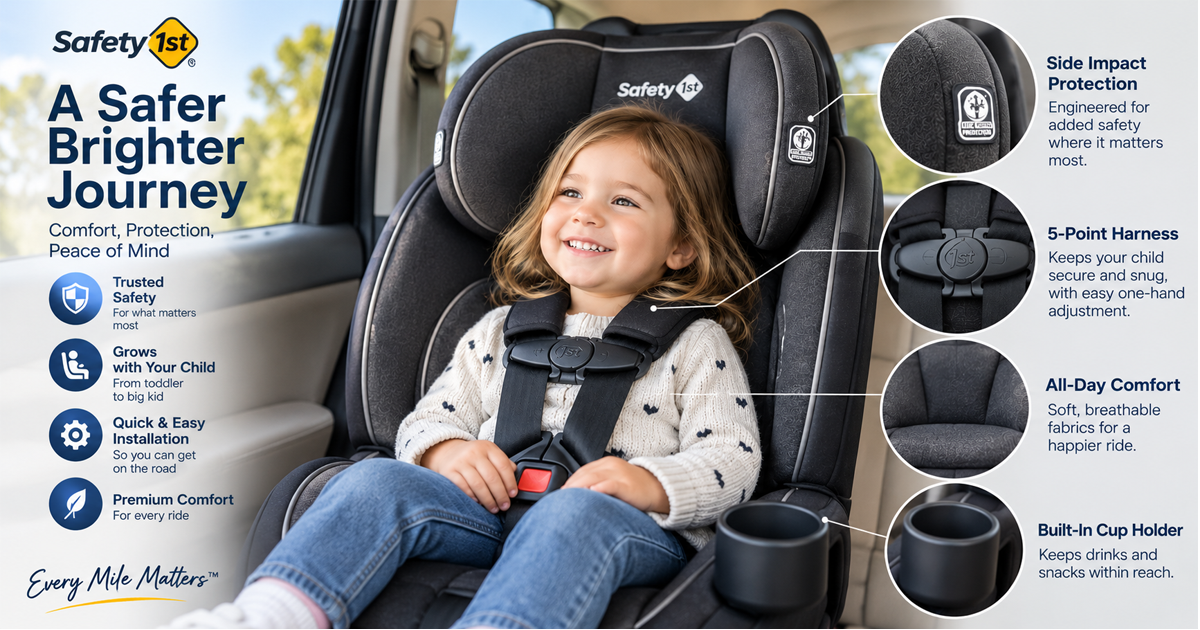
Children's products: toys, car seats and travel systems, infant sleep products, infant support cushions, play yards, and portable bed rails.
Consumable and ingestible products: dietary supplements, ingestible over-the-counter medications, eye drops, and cosmetics.
Fire-related products: smoke alarms, carbon monoxide detectors, and fire extinguishers.
General household devices: small kitchen appliances, which Amazon defines to include air fryers, coffee makers, toasters, blenders, and anything else that heats food on a countertop, plus immersion water heaters and pressure cookers.
Home medical devices: walkers, rollators, and respiratory care supplies for home use.
Lithium battery products: e-bikes, scooters, e-mobility accessories, lithium batteries, battery-powered home appliances, smart home devices, consumer electronics, and portable power supplies.
Outdoor power and heating equipment: electric cutting tools, portable generators, pressure washers, and gas and propane outdoor heaters.
Personal safety equipment: climbing harnesses, carabiners, fall-protection gear, and helmets for biking, skating, sports, and construction.
Sleep products: mattresses and adult portable bed rails.
Transport-related products: auto and motorcycle tires, child restraint systems.
Water and marine safety products: life jackets, inflatable flotation devices, and pool alarms, covers, and barriers.
Amazon has been explicit that this list isn't exhaustive and will grow over time. If your product could plausibly injure someone when it fails, it's worth checking your Account Health page regularly rather than waiting to be notified.
What the Policy Has to Look Like
The requirement is $1 million per occurrence and $1 million in aggregate. General liability, umbrella, and excess liability policies all qualify. The deductible can't exceed $10,000, and the policy has to name Amazon.com Services LLC and its affiliates as an additional insured. The insured name on the policy needs to match the legal entity on your seller account.
You submit your Certificate of Insurance through Business Insurance Verification in Seller Central. Amazon reviews it, and once it clears, your selling privileges in those categories stay active. If you're already carrying a compliant policy, a COI submitted before November 2 is valid until it expires, so you don't need to scramble if your renewal isn't coming up.
What you can't do is wait until you're suspended to sort this out. Amazon's enforcement timeline after the November 2 deadline puts listing deactivation on the table, and reinstating suppressed ASINs in safety-sensitive categories takes longer than it takes to find an insurance broker.
The Special Case for Mainland China Sellers
If your business is based in Mainland China, your options are narrower. New policies submitted on or after November 2 must come through the Amazon Insurance Accelerator. Third-party policies that don't go through AIA won't be accepted. Policies purchased through AIA before the deadline remain valid until they expire, so the urgency is the same: get it done before November 2 rather than after.
What to Do Before November 2
First, check whether any of your ASINs fall under Amazon's enhanced safety listing categories. The full list lives in Seller Central under "Product categories with enhanced safety listing compliance requirements," and your Account Health dashboard will flag affected listings. Don't rely on the abbreviated examples Amazon mentions in its announcements, because the full list is longer than the summary suggests.
Second, if you need a policy, get one that meets Amazon's specifications: $1M per occurrence and aggregate, Amazon named as additional insured, deductible under $10,000, and issued under the same legal entity as your account. If you have multiple policies covering different product lines, confirm that each affected ASIN is covered. A compliant policy for your supplement line doesn't automatically cover your kitchen appliance ASINs.
Third, submit your COI through Business Insurance Verification in Seller Central and give Amazon time to review it before the deadline. Don't file it on November 1.
Our Amazon brand management team helps sellers stay ahead of policy changes like this one. If you're not sure whether your catalog is affected or want help coordinating the compliance review alongside your Q4 prep, we're happy to take a look. Schedule a call and we can walk through it together.