Good brand demand. Limited discovery.
In October, Cheeky's products were finding shoppers who already knew what to look for. The opportunity was to reach people searching the category: cocktail syrups, espresso syrup, or an ingredient for their next drink.
Only 26% of purchases from search came from unbranded queries. Those searches generated just 63 clicks and five purchases that month. Better category discovery could introduce the range to a wider audience.
What does “unbranded” mean? A search such as “espresso syrup,” rather than “Cheeky Cocktails espresso syrup.” It describes the search query, not whether an individual shopper has bought from the brand before.
Five practical changes to the shopping experience.
We began with the listing foundations, then developed the imagery and product-page content. The work connected how shoppers found the products with what they needed to understand before buying.
Clearer product titles
Reworked titles around relevant category terms, with important product information early enough to remain useful in a short mobile search result.
A more connected catalog
Organized related products within parent listings to make the assortment easier to explore. The aim was to help a shopper discover relevant flavors and sizes from the product page.
Sharper product images
Replaced images with higher-resolution versions and tighter crops so the bottle was larger and easier to recognize in search thumbnails.
More useful visual context
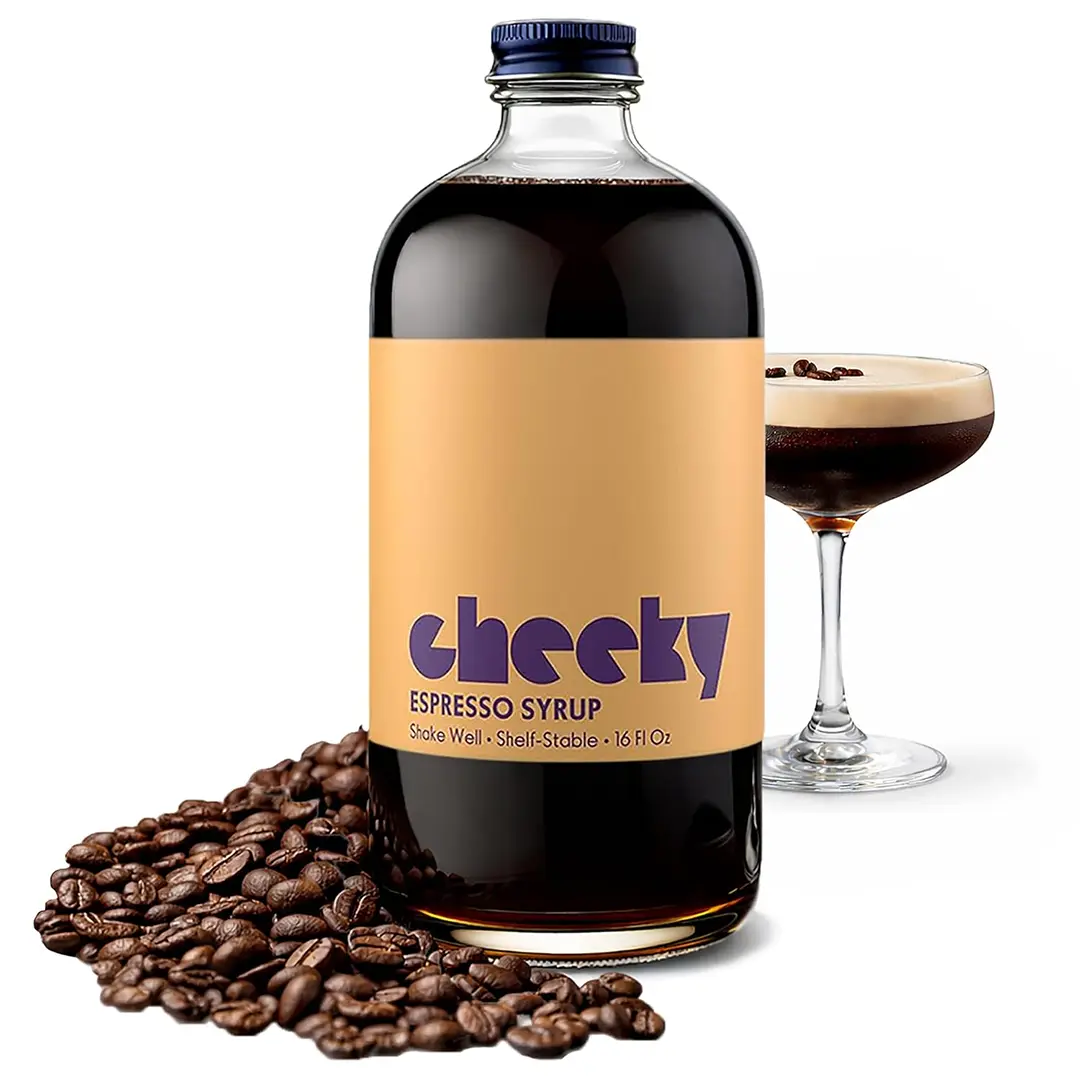
Introduced product-specific props and serving imagery. Espresso beans and a finished martini help explain the espresso syrup; honey and ginger communicate another flavor in the range.
Recipes and richer carousels
Expanded product-page carousels with recipe cards and information about benefits, quality, and use. Shoppers could see how the ingredient would fit into a drink they wanted to make.
More purchases came from category searches.
By February, unbranded search clicks had grown from 63 to 331, while purchases from those searches rose from five to 38. Unbranded purchase share reached 73% in January and finished February at 69%.
October 2025 to February 2026
January was the peak. February remained 43 percentage points above October.
Purchases from branded searches were 14 in October and 17 in February. The increase in unbranded purchases therefore came alongside a modest increase in branded purchases.
| Amazon search measure | Oct 2025 | Feb 2026 |
|---|---|---|
| Unbranded clicks | 63 | 331 |
| Unbranded purchases | 5 | 38 |
| Unbranded purchase share | 26% | 69% |
| Branded purchases | 14 | 17 |
About these numbers
Figures are reproduced from Parker-Lambert's published Cheeky Cocktails case study, updated March 2026. The comparison uses October and February monthly values. The 5.3× click multiple is rounded; 38 purchases divided by five gives 7.6×.
These are search measures, not total Amazon sales or verified new-to-brand customers. Growth began from a small baseline. The original account also describes holiday traffic effects during the period. This before-and-after comparison does not isolate the effect of each individual change.
Make the product easier to find. Then easier to understand.
The opportunity was bigger than another campaign adjustment.
For Cheeky, the work spanned titles, catalog organization, product imagery, and recipe content. Together, those improvements gave category shoppers a clearer path from a search to a product they could picture using.
That's the perspective we bring to Amazon: look at the whole purchase journey, identify where the experience falls short, and do the practical work to improve it.
Explore Amazon listing optimization